
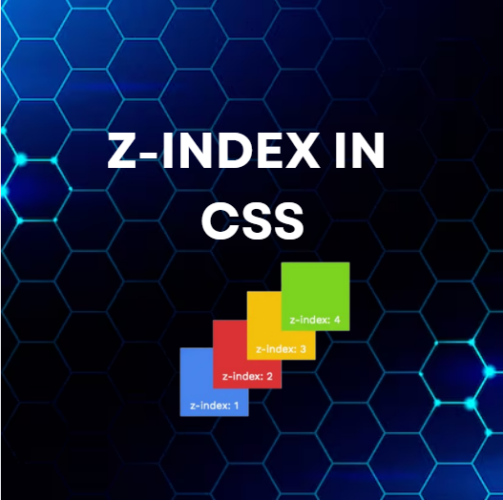
Z-index in CSS Property
Z-index in CSS ek property hai jo elements ka stack order (upar–neeche placement) define karti hai.
Simple words me:
Kaunsa element front me dikhega aur kaunsa behind jayega, ye decide karta hai.
Stack Order kya hota hai?
Jab elements positioned hote hain (jaise absolute, relative, etc.), tab wo overlap kar sakte hain.
Is case me:
- Higher z-index → upar (front)
- Lower z-index → neeche (back)
Positive aur Negative Values
Z-index in CSS me:
- Positive value → element upar aata hai
- Negative value → element peeche chala jata hai
Example
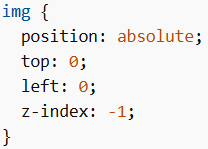
Yaha image peeche chali jayegi aur text uske upar dikhega.
Important Note
z-index in css sirf positioned elements par kaam karta hai, jaise:
- position: absolute
- position: relative
- position: fixed
- position: sticky
Aur:
- flex items (jo
display: flexke direct children hote hain)
Stack Order Z-index
Jiska z-index zyada hoga, wo element upar dikhega.
Example
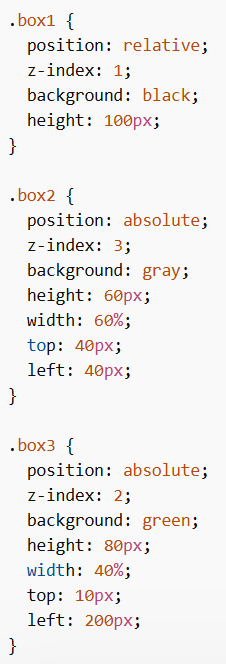
Yaha order hoga:
- box2 (z-index: 3) → sabse upar
- box3 (z-index: 2) → beech me
- box1 (z-index: 1) → sabse neeche
Without Z-index
Agar z-index in css use nahi kiya, to elements ka order depend karega:
- HTML me jo baad me likha hai → wo upar dikhega
- Jo pehle likha hai → wo neeche rahega
Example
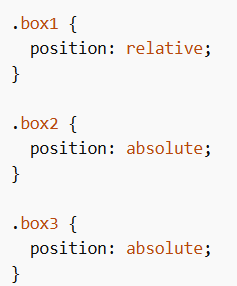
Agar HTML me order hai:
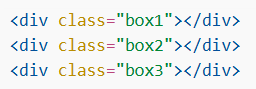
To:
- box3 → sabse upar
- box2 → beech
- box1 → neeche