
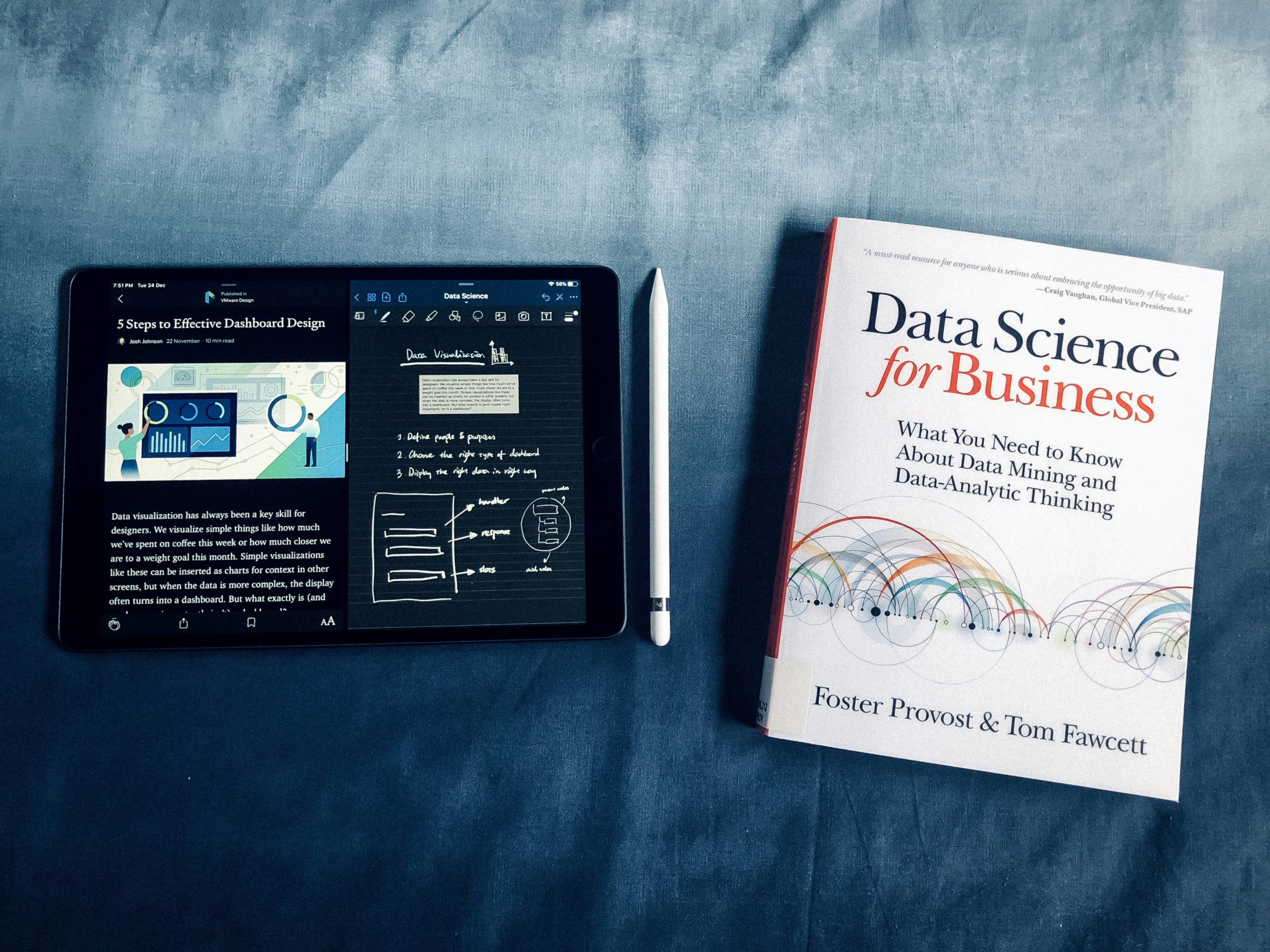
Introduction to Python in Data Science
Python has established itself as a pivotal programming language in the realm of data science. With its versatile capabilities, Python is particularly favored for tasks such as data analysis, data visualization, and machine learning. The language is renowned for its simplicity and readability, making it an accessible choice for both novice and experienced programmers alike. As data science continues to evolve, Python’s significance has been amplified, driven by the constant influx of data in various sectors.
The durability and flexibility of Python set it apart from other programming languages. Unlike languages such as R, which are primarily tailored for statistical analysis, Python provides a broad spectrum of applications ranging from web development to automation. This versatility allows data scientists to employ Python not only for data manipulation but also for integrating data analysis with web applications and software development. Additionally, Python’s extensive libraries, such as Pandas, NumPy, and Matplotlib, empower users to handle complex data sets efficiently. These libraries enhance Python’s functionality, contributing to its reputation as a go-to language in the data science community.
Moreover, the supportive community surrounding Python has played a significant role in its adoption among data scientists. A wealth of resources, including documentation and online forums, are readily available for developers looking to expand their knowledge or troubleshoot issues. This collaborative spirit fosters innovation and enables the continuous improvement of tools and libraries within the Python ecosystem.
As we delve further into this blog post, we will explore the essential libraries and tools that augment Python’s capabilities, solidifying its position as the preferred programming language in data science. Understanding these elements is crucial to appreciating why Python remains the go-to choice in an ever-evolving technological landscape.
Essential Python Libraries for Data Science
Python’s versatility as a programming language is highlighted by its robust ecosystem of libraries tailored specifically for data science. These libraries simplify data manipulation, visualization, and machine learning, making Python the preferred choice for data scientists.
Pandas is one of the most widely used libraries in data analysis. It provides data structures like DataFrames, which allow for easy manipulation of structured datasets. With functionalities for data cleaning, merging, and reshaping, Pandas is an indispensable tool for handling large volumes of data efficiently.
NumPy, on the other hand, serves as the fundamental package for numerical computation. Offering support for array mathematics and a variety of linear algebra functions, NumPy is essential for performing mathematical operations on large datasets. Its powerful n-dimensional array object is critical for many data science operations.
Matplotlib excels in data visualization, enabling the creation of static, animated, and interactive plots in Python. This library is extensive and can produce a wide range of visualizations, from line plots and histograms to complex 3D plots. When it comes to visualizing data for better understanding or presentation, Matplotlib stands out.
Scikit-learn is another crucial library, widely recognized for its simple and efficient tools for data mining and machine learning. It encompasses a variety of algorithms for classification, regression, clustering, and dimensionality reduction. It is particularly appreciated for its user-friendly API, which is suitable for both beginners and experienced practitioners in the field.
To summarize the functionalities of these libraries, Table 1 below illustrates the key features and use cases:
| Library | Main Features | Typical Use Cases |
|---|---|---|
| Pandas | Data manipulation with DataFrames, input/output functions | Data cleaning and transformation |
| NumPy | Support for large, multi-dimensional arrays, mathematical functions | Numerical data analysis |
| Matplotlib | Extensive plotting capabilities | Data visualization and presentations |
| Scikit-learn | Machine learning algorithms, model evaluation tools | Predictive modeling and data mining |
In conclusion, these libraries form the backbone of many data science projects, and their distinct features cater to various aspects of data analysis and machine learning. Understanding and leveraging these tools is essential for anyone looking to excel in the field of data science.
Practical Applications of Python in Data Science
Python has solidified its reputation as a leading programming language in the realm of data science, thanks to its versatility and extensive libraries. In various sectors such as finance, healthcare, and marketing, organizations employ Python to analyze and manipulate vast datasets. For instance, financial institutions leverage libraries like Pandas to perform time series analysis on stock data. This enables them to forecast trends and make informed investment decisions.
In the realm of machine learning, Python offers valuable libraries such as Scikit-learn and TensorFlow, which facilitate the development of predictive models. These models are instrumental in various applications, ranging from customer segmentation to fraud detection. For example, e-commerce platforms utilize machine learning algorithms to analyze customer data and provide personalized recommendations, significantly enhancing the user experience and boosting sales.
Furthermore, artificial intelligence (AI) capabilities are augmented by Python’s frameworks like Keras and PyTorch. These frameworks enable data scientists to create sophisticated deep learning models that can perform tasks such as image recognition and natural language processing. As a case in point, companies in the healthcare industry use AI for predictive analytics, analyzing patient data to improve diagnostics and treatment options.
Data visualization is another area where Python excels, with libraries such as Matplotlib and Seaborn allowing users to create informative and appealing visual representations of complex datasets. An example of this can be found in public health organizations, which utilize Python to visualize the spread of diseases through geographical maps and trend graphs. These visualizations are pivotal in supporting evidence-based decision-making and public policy formulation.
As organizations continue to recognize the significance of data in shaping strategies, the demand for professionals skilled in Python and data science is on the rise. Career pathways in this field include roles such as data analyst, machine learning engineer, and data scientist, showcasing the growing importance of Python as an essential tool in the modern data-driven landscape.
Getting Started with Python for Data Science
Embarking on a journey into data science using Python can be an exciting and rewarding experience. For beginners, the first step often involves familiarizing themselves with the language itself. Fortunately, a plethora of resources are available that cater to newcomers in this field. Online platforms such as Coursera, edX, and Udacity offer comprehensive courses that cover both foundational Python programming and data science applications. These courses often feature hands-on projects that enhance practical understanding.
Books like “Python for Data Analysis” by Wes McKinney and “Automate the Boring Stuff with Python” by Al Sweigart provide excellent theoretical grounding coupled with practical examples. These resources not only teach syntax and semantics but also emphasize the application of Python in real-world data scenarios.
In addition to formal education, engaging with the thriving Python community can significantly enrich the learning experience. Platforms such as Stack Overflow, Reddit, and dedicated Python forums are excellent venues for asking questions, sharing knowledge, and seeking guidance from experienced practitioners. Joining meetups or online groups can facilitate networking with fellow learners and professionals.
Once familiar with the basics of Python, aspiring data scientists should set up their development environment. Installing Anaconda is a practical approach as it simplifies package management and deployment, allowing you to focus on experimenting with libraries like Pandas, NumPy, and Matplotlib. Alternatively, using Jupyter Notebooks can enhance interactivity during coding sessions.
As you begin your journey, it’s crucial to engage in practical data projects. Start with small datasets and gradually tackle more complex challenges. Websites such as Kaggle offer datasets and competitions, providing ample opportunities to practice your skills while learning from others in the community. By taking these steps, you will build a solid foundation in Python for data science and gradually become more adept at handling data-driven tasks.