
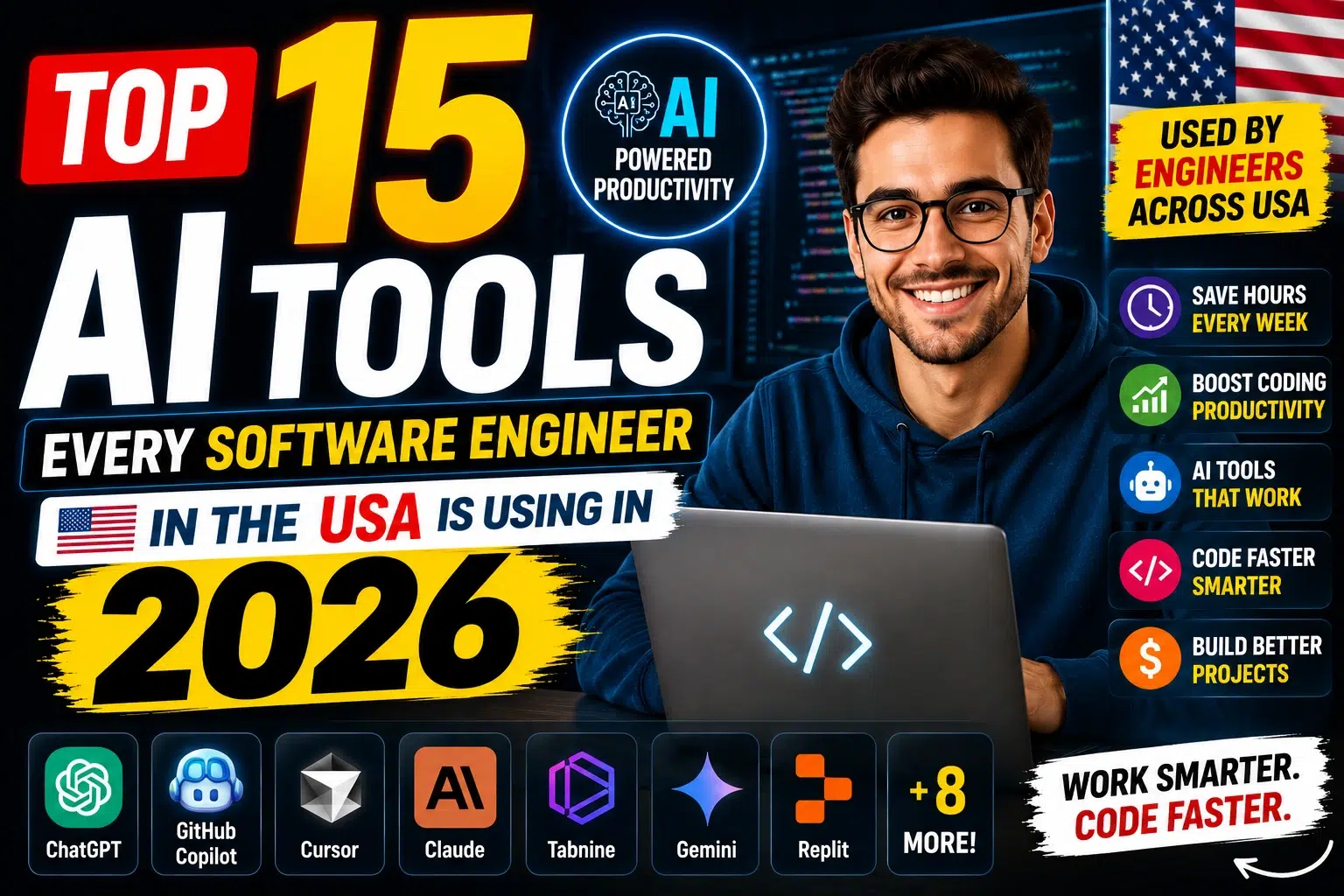
Introduction to AI Tools for Software Engineers
The rapid advancement of artificial intelligence (AI) technologies is significantly transforming the realm of software engineering. Today, AI tools are increasingly becoming indispensable for software developers, particularly in the United States, who are seeking efficient solutions to the complexities of programming. These innovative tools facilitate automation of repetitive tasks, enabling engineers to concentrate on more strategic and creative aspects of their work. As a consequence, the programming landscape is evolving, fostering the development of high-quality software at an unprecedented pace.
One of the core benefits of AI tools is their ability to enhance productivity. By automating routine tasks, such as code generation, testing, and debugging, developers can allocate more time to problem-solving and system design. This productivity boost is further complemented by AI’s capacity to provide intelligent code suggestions and error-checking features, which enhance code quality and reduce the incidence of bugs in the final product. Consequently, software engineers in the USA are leveraging these advancements to produce reliable and maintainable software solutions faster than ever before.
Moreover, AI tools empower developers by integrating data-driven insights into the software development lifecycle. These insights can stem from analyzing vast amounts of code repositories and project management data. With the help of machine learning algorithms, engineers can gain valuable recommendations that enhance the decision-making process, allowing for more informed approaches to system architecture and design choices. As AI technologies continue to gain traction, it becomes increasingly critical for developers to familiarize themselves with the leading AI tools that not only simplify their workflows but also elevate their technical capabilities.
Criteria for Selecting AI Tools
When evaluating AI tools, software engineers should consider several critical factors to ensure they select the most effective solutions for their development needs. The primary criterion is functionality. It is important that the AI tool meets the specific use cases the engineer intends to address, whether that be for coding assistance, bug detection, or project management. A deep understanding of these functionalities ensures that engineers can maximize the tool’s benefits.
Next, the ease of integration into existing workflows is essential. Compatibility with current software systems, programming languages, and development environments can significantly affect productivity. A tool that offers seamless integration allows developers to incorporate AI assistance without extensive modifications to their usual procedures.
Support and community engagement are also vital factors when selecting AI tools. A robust support system and an active community can provide assistance when challenges arise, enabling engineers to leverage shared knowledge and resources. Furthermore, comprehensive documentation enhances the usability and efficacy of the tool, facilitating quicker adoption and mastery.
The pricing structure of an AI tool should align with the budget and needs of the organization or individual engineer. While some tools offer free versions, others may require subscriptions or per-use fees. Evaluating the cost against the expected return on investment is crucial to making a justified decision.
Lastly, performance metrics should be assessed. Metrics such as speed, accuracy, and reliability can indicate the quality of the AI tool in real-world applications. By analyzing these performance indicators, software engineers can make informed choices about which tools will best enhance their capabilities.
Top AI Coding Tools for Software Engineers
As software development continues to evolve, the integration of artificial intelligence (AI) in coding practices has become paramount. In 2026, numerous AI coding tools have emerged to enhance productivity and streamline the coding process for software engineers across the USA. Below are some of the top AI-powered coding tools that engineers are incorporating into their daily workflows.
1. GitHub Copilot – This AI tool, developed by GitHub and OpenAI, acts as an intelligent code completion assistant. It uses machine learning to suggest entire lines or blocks of code, allowing developers to focus on higher-level design while automating tedious coding tasks. GitHub Copilot is particularly beneficial in reducing the time spent on debugging by providing contextual corrections in real-time.
2. Tabnine – Tabnine is an AI-powered code completion tool that learns from the developer’s coding habits. It supports a multitude of programming languages and frameworks, allowing it to provide personalized suggestions based on the unique style and preferences of the user. This tool greatly enhances the coding experience with faster coding and fewer errors.
3. CodeGuru – Amazon CodeGuru offers automated code reviews and application performance recommendations. By utilizing machine learning, it helps detect critical issues such as bugs, security vulnerabilities, and code inefficiencies. This tool not only improves code reliability but also promotes best practices among developers.
4. DeepCode – Acquired by Snyk, DeepCode employs machine learning algorithms to scan code repositories for potential issues. With its extensive database of knowledge, it provides actionable insights, making it easier for engineers to enhance their code’s quality.
5. Kite – Kite is another coding assistant that brings advanced autocomplete features to the table. It offers documentation lookup within the IDE, ensuring that developers have immediate access to information they require while coding, significantly boosting efficiency.
These tools represent a shift towards smarter coding practices in the software engineering domain. By leveraging such AI coding instruments, developers are not only improving the quality of their code but also accelerating the overall development process. The ongoing evolution of these technologies promises to further enhance software engineering capabilities.
AI Developer Tools for Enhanced Collaboration
In the rapidly evolving landscape of software engineering, AI tools have increasingly become pivotal in fostering enhanced collaboration among development teams. As remote work has taken hold, especially in 2026, software engineers across the USA are leveraging innovative AI-driven applications to maintain productivity and streamline workflows.
One prominent category of AI developer tools designed for collaboration includes project management applications powered by machine learning algorithms. These platforms facilitate the organization of tasks, providing insights into team dynamics and project timelines. Tools such as Jira and Trello have incorporated AI features that help to prioritize tasks based on deadlines and team availability, ensuring that efforts are focused where they are most needed.
Furthermore, communication platforms like Slack and Microsoft Teams utilize AI to enhance real-time collaboration. AI assistants within these tools can automate repetitive tasks, suggest solutions, and summarize discussions, thereby minimizing the potential for miscommunication and ensuring all team members are aligned. This level of intelligent assistance significantly reduces the noise surrounding essential updates, allowing developers to concentrate on their coding tasks.
AI tracking tools, which monitor progress and performance metrics, also aid software engineers in evaluating team effectiveness. By analyzing participation levels, completion rates, and workload distribution, these tools provide valuable data that helps in making informed decisions related to team management and project allocations.
The integration of AI into these collaborative tools supports the transition to more flexible work environments. With a focus on fostering communication and transparency, these technologies are instrumental in adapting to the new realities of team dynamics among software engineers. Therefore, as the industry moves forward, the utilization of AI developer tools for collaboration will continue to shape the future of software development methodologies.
AI-Powered Testing Tools for Software Engineers
As the landscape of software development continues to evolve, the integration of artificial intelligence (AI) into testing methodologies represents a significant advancement. AI-powered testing tools are becoming essential assets for software engineers, particularly in ensuring reliability and enhancing the quality of code. These innovative tools automate various testing processes, allowing for quicker identification of bugs and issues that may not be easily detectable through traditional manual testing.
One of the primary advantages of AI-driven testing tools is their ability to automatically identify bugs within the code. These tools utilize sophisticated algorithms to analyze code patterns, enabling them to pinpoint discrepancies or anomalies that could lead to potential failures. By leveraging machine learning techniques, they not only improve the accuracy of defect detection but also adapt over time to recognize new patterns, continuously enhancing their efficiency.
Moreover, AI testing tools often come equipped with features that suggest fixes for identified issues. This functionality drastically reduces the time software engineers spend on troubleshooting, allowing them to focus on more critical tasks such as design and implementation. Moreover, some tools harness predictive analytics, which can forecast potential issues based on historical data, thus enabling proactive measures before issues escalate into serious concerns.
Furthermore, the impact of test automation facilitated by AI tools cannot be overstated. By automating repetitive testing tasks, software engineers can significantly reduce manual efforts while increasing test coverage across various environments and scenarios. This degree of automation not only enhances productivity but also results in a more rigorous validation of software applications. Overall, the incorporation of AI-powered testing tools into the software development lifecycle is revolutionizing the approach to quality assurance, making testing more comprehensive and efficient.
Tools for Code Optimization and Maintenance
The landscape of software engineering is significantly transformed by artificial intelligence, particularly in the realms of code optimization and maintenance. In 2026, software engineers in the USA are leveraging specialized AI tools that assist in refactoring code, enhancing performance, and maintaining high-quality codebases throughout the software development lifecycle. These tools are vital for developers who aim to streamline their processes and ensure the longevity of their projects.
One of the notable tools in this domain is CodeGuru. This AI-powered tool from Amazon aids software engineers by recommending improvements for code quality during the development phase. CodeGuru analyzes code patterns and suggests optimizations to enhance application performance. It is particularly effective in identifying potential bugs or vulnerabilities, thereby ensuring a cleaner, more robust codebase.
Another essential tool is SonarQube, which employs machine learning to continuously inspect and analyze code quality. This tool provides developers with real-time feedback regarding code smells and vulnerabilities, thus streamlining the refactoring process. By utilizing SonarQube, engineers can maintain cleaner codebases, resulting in reduced technical debt and improved maintainability.
Moreover, tools like DeepCode are becoming increasingly popular. DeepCode employs AI algorithms to scan code repositories and evaluates code against a vast database of best practices and industry standards. Its ability to provide context-aware suggestions allows developers to enhance performance while fostering a culture of clean coding practices. In doing so, DeepCode significantly reduces the time required for code reviews and revisions.
The integration of these advanced AI tools into the software development workflow not only aids in optimizing code but also fosters a collaborative environment. With the support of AI, software engineers can focus more on creative problem-solving while trusting that their codebases remain efficient and maintainable.
AI Tools for Documentation and Code Review
The integration of AI tools in the software engineering domain has significantly transformed how developers approach documentation and code reviews. These tools leverage advanced machine learning algorithms and natural language processing to automate routine tasks, ultimately enhancing productivity and the quality of code.
One prominent category of AI tools focuses on generating documentation, a process traditionally seen as tedious and time-consuming. By utilizing AI-driven documentation generators, software engineers can create comprehensive and accurate documentation with minimal manual effort. These tools analyze codebases and generate debuggable comments, usage instructions, and API references based on the actual code content. Consequently, this leads to up-to-date documentation that aligns closely with the code’s functionality, reducing discrepancies and ensuring clarity for future developers and users.
Moreover, AI tools are also invaluable during the code review process. Instead of relying solely on peer reviews, engineers can employ AI-assisted code review applications that automatically flag inconsistencies, recommend best practices, and even suggest corrections. This not only accelerates the feedback loop between developers, but it also helps identify potential flaws early—thereby reducing the risk of bugs in production. Engineers can benefit from precise, data-driven insights that enhance their understanding of code quality metrics, allowing for improved decision-making during revisions.
Overall, the adoption of AI tools for both documentation and code review marks a significant advancement in software engineering workflows. By streamlining documentation processes and expediting code evaluations, these tools contribute to an overall boost in productivity and code quality, positioning engineers to deliver robust software solutions efficiently.
Emerging Trends in AI Tools for Software Engineering
The landscape of software engineering is continually evolving, driven by technological advancements and the increasing adoption of artificial intelligence (AI) tools. One notable trend is the shift towards low-code and no-code platforms, which are gaining popularity among software engineers in the USA. These platforms empower developers and non-developers alike to design applications through visual interfaces, significantly reducing the need for extensive hand-coding. This democratization of software development not only accelerates the development process but also allows teams to focus on higher-level design and functionality.
Another significant trend is the advancements in natural language processing (NLP) technologies that are being integrated into coding assistance tools. These tools leverage machine learning algorithms to understand and interpret natural language, enabling developers to write code more efficiently. For instance, AI-driven programming assistants can generate code snippets based on plain language descriptions, recommend solutions, and even debug existing code. This not only enhances productivity but also bridges the gap between technical and non-technical team members, fostering better collaboration.
Moreover, the integration of machine learning algorithms into project management tools is becoming more prevalent. These tools are designed to analyze vast amounts of project data to predict outcomes, identify potential bottlenecks, and suggest optimizations. By harnessing the power of AI, software engineering teams can make data-driven decisions, improving project delivery timelines and reducing unforeseen challenges. As AI technology continues to mature, it is reasonable to anticipate further innovations that will redefine the methodologies software engineers employ. Organizations that embrace these emerging AI trends will likely find themselves better equipped to navigate the complexities of modern software development.
Conclusion: Embracing AI Tools for Future Success
The rapid advancement of artificial intelligence (AI) tools has profoundly transformed the landscape of software engineering. In 2026, embracing these technologies is no longer optional; it is essential for software engineers striving to enhance productivity and remain competitive in a constantly evolving industry. AI tools not only streamline monotonous tasks but also provide innovative solutions that can elevate the software development process. By automating routine programming duties, engineers can allocate more time to creative problem-solving and strategic planning.
Furthermore, the increasing integration of AI into development environments fosters collaboration among teams by providing smarter analytical insights, improved code quality, and quicker debugging processes. As a result, software engineers leveraging AI tools are better positioned to deliver high-quality products in shorter timeframes, ultimately enhancing their value in the marketplace. In this context, the ability to adapt to AI advancements is crucial for continuous career growth and success.
Moreover, the demographic landscape of the software engineering workforce is shifting, with an emphasis on fast-paced innovation. To thrive in this competitive arena, engineers must proactively seek out opportunities to learn how to harness AI tools effectively. This dedication to professional development will ensure that they are not merely passive consumers of technology but active contributors to shaping its future. As the industry evolves, those who remain abreast of technological advancements will find their skills in high demand, thus providing a sustainable edge in their professional journey.
In conclusion, the adoption of AI tools represents a significant paradigm shift in software engineering. By embracing these transformative technologies, engineers can enhance their productivity, drive innovation, and secure their future in an increasingly data-driven world. It is a pivotal moment for software engineers to harness these tools to boost their careers and contribute meaningfully to the advancements in the software development field.